The plants on the windowsill in That’s Not My Mom! don’t move on their own, and the first time you notice one has shifted position since yesterday, the whole game changes shape in your head.
| Genre |
First-person anomaly horror |
| Structure |
Sequence of days, each a return home |
| Playtime |
Roughly 40–60 minutes |
| Combat |
None |
Anomaly Hunting Instead of Combat in That’s Not My Mom!
There are no weapons, no upgrades, and nothing to fight in That’s Not My Mom!. Instead, the entire game is built around memory and observation. You play a young boy coming home from school, and each day starts with a normal-looking house that you’re expected to already know by heart from the day before. The threat isn’t something you kill, it’s something you have to notice.
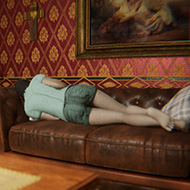
That framing changes how tension builds compared to a typical horror game. Instead of dreading a jump scare around the corner, you dread walking into a familiar room and realizing something about it is wrong, a cushion in the wrong spot, a painting that’s slightly different, a plant that’s been duplicated. The game rarely tells you outright what changed, so the burden of noticing sits entirely on you.
Beginners tend to sweep through rooms quickly on the first couple of days, since nothing seems dangerous yet. That habit becomes a problem fast, because the anomalies get smaller and more deliberately hidden as the days go on, and if you never built the habit of close inspection early, you’ll miss things that matter later.
Reading the Mimic in the Kitchen
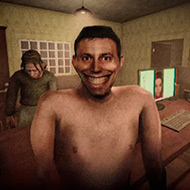
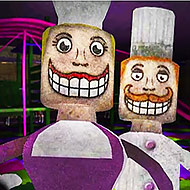
The central anomaly across most days is the mother figure herself. Her appearance and behavior shift subtly between visits, sometimes in ways you can catch through simple observation, sometimes hidden in dialogue or small physical details that only show up if you actually stop and look at her instead of walking past. Early in the game the differences tend to be visual. Later, the mimic gets better at imitating normal behavior, which is exactly when careful players start second-guessing decisions that felt obvious on day one.
Letting the wrong version of her stay in the house has consequences, just as turning away someone who was genuinely your real mother carries its own cost. That dual risk is part of what keeps every decision in That’s Not My Mom! feeling uncertain rather than routine, even once you’ve cleared several days.
Building a Mental Baseline of the House
- Note furniture placement, wall art, and small decorations on your very first walkthrough of the house
- Recheck the same rooms in the same order each day so shifts are easier to spot
- Pay attention to object counts, not just object positions, since duplicated items are a common trick
Players who enjoy slow, methodical inspection tend to get the most out of this system, since the game rewards patience over speed at nearly every stage. Meanwhile, players chasing a fast clear often miss smaller anomalies that only become obvious once you’ve built a genuine mental map of the house.
Escalation Toward the Later Days
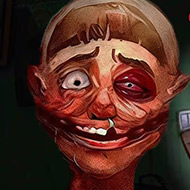
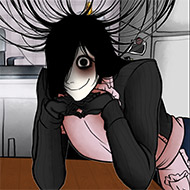
The early days concentrate almost entirely on environmental differences, which is a gentle introduction compared to what comes later. Once you reach the middle stretch of days, the mother’s location and behavior start changing more aggressively, and transformed versions of her along with short chase sequences begin appearing. This shift is where a lot of players describe the game genuinely unsettling them for the first time, since it breaks the routine you’ve spent several days building.
One honest criticism that comes up often in player discussions is that the transition from quiet environmental horror to active chase sequences can feel abrupt, especially for players who came in expecting a purely observational game throughout. It’s a deliberate pivot, but not everyone finds it lands smoothly.
- How many days does That’s Not My Mom! last? The game runs through a sequence of days that builds toward a final day and ending scene, with each day introducing a new anomaly or encounter rather than following a fixed level structure.
- What happens if you let the impostor into the house in That’s Not My Mom!? Accepting the wrong version of the mother figure carries consequences for the boy, though the game keeps most of the specifics for you to discover through play rather than warning you outright.
- Are there extra anomalies on repeated playthroughs of That’s Not My Mom!? Yes, additional anomaly variations can appear on repeated attempts, which gives returning players new details to catch even in rooms they think they’ve already fully memorized.
That’s Not My Mom! turns a familiar house into the scariest part of the experience, and once you’ve caught your first duplicated plant or a mother figure who blinks wrong, you start looking at every ordinary detail in the game the way you’d look at your own home if you suddenly weren’t sure it was safe.