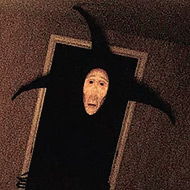
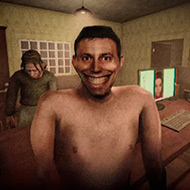
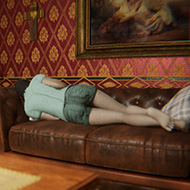
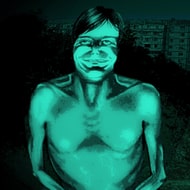
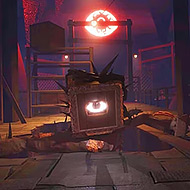
OBELISK is a strange and deeply atmospheric analog horror experience that mixes puzzle logic with story fragments pulled from distorted recordings. The game places you in a world where reality flickers between memory and nightmare, forcing players to decode messages from broken screens, static-filled tapes, and repeating patterns. At first glance, OBELISK appears to be a quiet experiment in eerie design—but as you continue, its shifting tone reveals that the structure itself may be watching you back. The deeper you move into the unknown, the more the OBELISK becomes an entity rather than an object, shaping the rules that define its world.
Voices from the Static
The core of OBELISK is not combat or survival, but discovery. You are presented with distorted archives—short video loops, pixelated images, and text fragments—that must be pieced together to uncover hidden truths. Each level acts as a layer of signal interference, and your progress depends on how effectively you can interpret these clues. Players soon realize that the recordings are more than random noise; they tell the story of a presence trying to communicate through broken technology.
- Layered storytelling: Each chapter builds on the last, using overlapping soundtracks and subtle visual shifts to reveal hidden events.
- Environmental puzzles: Solve challenges that blend sound cues, visual alignment, and rhythmic timing.
- Psychological tension: Rather than scaring through shock, the game unsettles by making players question what is real and what is fabricated.
These fragments combine into something greater—a puzzle that seems impossible to complete, yet oddly familiar. Every replay adds new meaning, suggesting that OBELISK is aware of your return, altering itself to match your behavior. What was once a static hallway might now lead somewhere else entirely.
Decoding the Structure
In OBELISK, each level represents a digital echo of a human memory. Rooms are arranged like corrupted files, looping upon themselves and reshaping when you glance away. The goal is simple in theory: ascend through multiple data layers until you reach the core. In practice, however, the game constantly redefines what “up” means, sometimes flipping perspectives or erasing your path entirely. Players must learn to read sound frequencies, color shifts, and timing gaps to survive the climb.
- Listen carefully for repeated tones or reversed dialogue—they often signal hidden pathways.
- Pause during flickering sequences; sometimes, frames contain embedded coordinates.
- Rotate camera angles slowly in certain rooms to reveal secret glyphs etched into the walls.
These “soft hacks” are not true cheats but logical manipulations of the OBELISK environment. By understanding how the system reacts to input, players gain control over what initially feels uncontrollable. Progress becomes both technical and psychological—you are not just breaking through walls, but through layers of coded meaning.
What Lies Beyond the Final Layer
OBELISK never provides closure in a traditional sense. Completing the final sequence does not end the game but resets it with new distortions, implying that the story continues within its loops. The tower-like structure you navigate represents not just space, but time folding upon itself. Every sound and flicker feels intentional, as if the machine is trying to communicate an ancient language through modern errors.
Players who immerse themselves fully discover that OBELISK is more than a horror simulation—it is an experiment in human perception and digital decay. It challenges you to look beyond the screen, question what you see, and wonder whether the message you decode comes from the system… or from yourself.
The end result is a haunting, recursive journey through fear and fascination. Each discovery reshapes your understanding of the world within the game. OBELISK isn’t just a name—it’s a mirror for the mind, an object that remembers, and a mystery that grows clearer the longer you stare into the static.