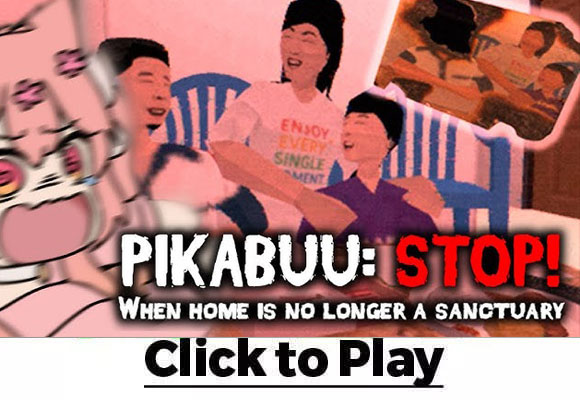
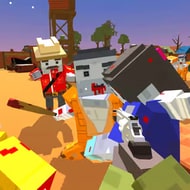
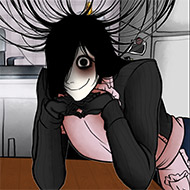
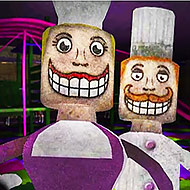
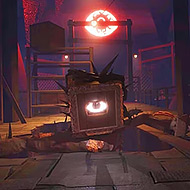
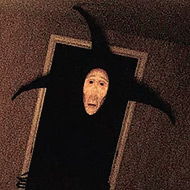
Pikabuu: STOP! is a horror experience that plays with player agency, game logic, and paranoia. From the moment you load the game, it starts breaking its own rules. Menus glitch. Choices disappear. Sometimes, the game won’t even start—until you follow instructions hidden in distorted audio. Your objective is unclear, your controls unstable, and the only consistent message, appearing in red across loading screens and walls, is one word: “STOP.” But of course, you won’t. And that’s where the real terror begins.
It Tells You to Stop. You Keep Going.
This game throws you into a collapsing urban void—a city without people, full of frozen figures mid-scream, flickering televisions, and half-written journal pages. Pikabuu: STOP! challenges you to explore the world’s broken logic while enduring increasing disruptions in interface, gameplay, and memory. The game keeps reminding you not to proceed. Every time you do, things worsen—not just inside the game, but in the way the game behaves on your screen.
- Interface corruption evolves the longer you ignore in-game STOP messages—menus vanish, maps flip, or invert.
- Enemies don’t follow paths. They emerge from “EXIT” signs, mirrors, or files you thought you closed.
- Save slots may appear locked, replaced by static, or renamed to questions like “Why?” or “Who’s Playing?”
The Game That Fights Back
Pikabuu: STOP! doesn’t just break immersion—it targets it. Your microphone might activate during certain events, picking up ambient noise that changes how entities behave. Your choices—refusing to quit the game, skipping the STOP tutorials, replaying the same hallway over and over—build a profile the system uses against you. This isn’t just psychological horror. It’s behavioral horror. It watches you. It reacts.
- Unlock “Command Mode” by typing forbidden words into the chat terminal that appears randomly.
- Multiple outcomes are hidden behind fake game crashes, audio hallucinations, and invisible prompts.
- The game can go silent—fully mute—when it decides you’ve ignored its warnings too long.
Will You Ever Stop?
The endings of Pikabuu: STOP! reflect your level of disobedience. Did you obey the STOP prompts? Did you search every file? Did you let the game idle on its red screen for over ten minutes? These decisions affect the game world in ways you won’t understand until your final run. Some endings take away control entirely, letting the system play itself. Others reset your files, looping the experience endlessly.
- The “Loop Ending” starts the game over—but now your name appears everywhere, replacing character dialogue.
- “The STOP Ending” occurs if you shut off your device during a specific voice line—intentionally.
- “You Didn’t Stop” is reserved for players who beat the game without ever pausing or hesitating.
Pikabuu: STOP! is not a game that wants to be played. It’s a warning. And the more you ignore it, the closer you get to becoming part of it. When a game says STOP, maybe you should listen. Or maybe you should keep going—just to see what’s on the other side. If you had fun here, you’ll probably enjoy this one Pikabuu too.